

Anxiety After 50 — You’re Not Losing Control. Your Body Is Asking for Care.

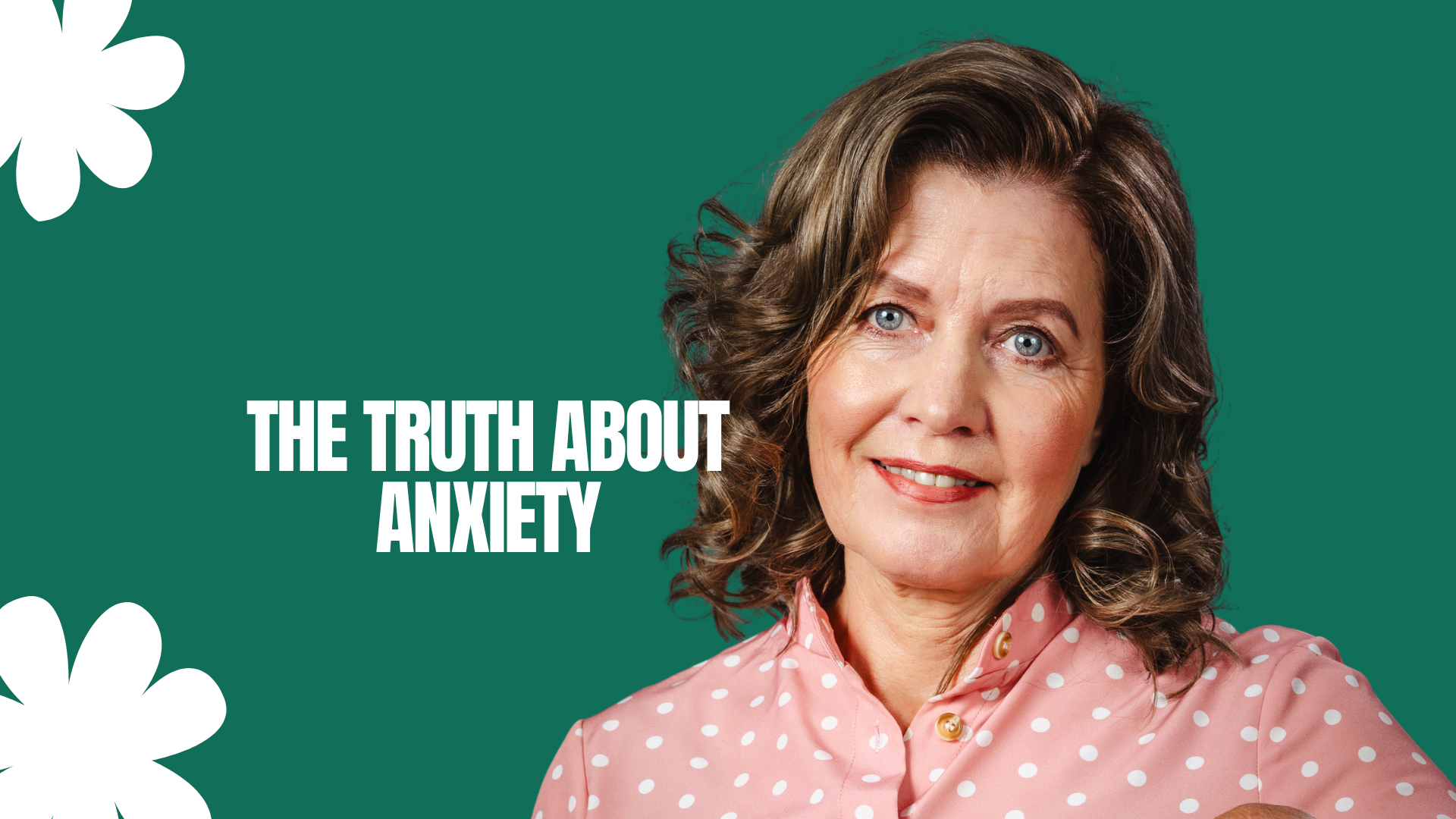
Dear Thrivve Community,
Let’s talk about something many people experience — but few people admit.
Anxiety after 50.
Not the dramatic kind.
Not panic or crisis.
But the quiet, unsettling feeling that something isn’t right.
The racing thoughts at night.
The tightness in your chest.
The sudden worry about things that never used to bother you.
And then the question that often follows:
“What is happening to me?”
Here is the truth I want you to hear today:
You are not weak.
You are not broken.
And you are certainly not alone.
Why Anxiety Often Appears After 50
Many people assume anxiety is a “young person’s problem.”
But in reality, it often emerges or intensifies later in life — especially during times of change.
After 50, life shifts in ways we don’t always expect:
- Retirement or career transitions
- Caring for ageing parents
- Health concerns
- Financial uncertainty
- Loss, grief, or loneliness
- A changing sense of identity
Your nervous system is trying to adapt to all of this.
And sometimes, it signals that stress has been building quietly in the background.
Anxiety is not a failure.
It is a message.
What Anxiety Really Is (And What It Isn’t)
Anxiety is your body’s natural alarm system.
It is designed to protect you.
But when the alarm stays on too long, it becomes exhausting.
Common signs include:
- Restlessness or tension
- Trouble sleeping
- Racing thoughts
- Irritability
- Difficulty concentrating
- A constant sense of worry
- Physical symptoms like headaches, stomach discomfort, or tight muscles
Many people over 50 describe it this way:
“I feel on edge, but I don’t know why.”
That experience is more common than you think.
The Good News — Anxiety Is Treatable
This is where hope enters the conversation.
There is not just one solution.
There are many.
And most people improve significantly once they understand what is happening.
Here are the three main approaches we discussed in the recent Thrivve episode.
1. Lifestyle Changes — The Foundation
Often, small daily habits make the biggest difference.
These include:
- Regular movement or walking
- Strength training
- Consistent sleep routines
- Limiting alcohol and caffeine
- Spending time outdoors
- Practicing breathing or relaxation techniques
- Staying socially connected
You already model many of these habits in your own life — especially your daily walking and yoga — and that’s exactly the kind of steady routine that protects mental health over time.
2. Therapy and Professional Support
Talking to a trained professional can be life-changing.
This might include:
- Cognitive Behavioural Therapy (CBT)
- Counselling
- Stress management coaching
- Hypnotherapy
- Mindfulness-based therapy
Therapy is not about weakness.
It is about learning new tools.
3. Medication — When Needed
For some people, medication provides essential relief.
It can:
- Stabilise mood
- Reduce overwhelming anxiety
- Improve sleep
- Restore daily functioning
Medication is not a lifelong sentence.
For many people, it is a temporary support while other strategies take effect.
The key is working with a qualified healthcare professional.
A Simple Tool You Can Use Today
Try this calming technique the next time anxiety rises.
The 4-6 Breathing Reset
- Inhale slowly through your nose for 4 seconds
- Hold briefly
- Exhale gently through your mouth for 6 seconds
- Repeat for one minute
This signals safety to your nervous system and helps your body settle.
It’s simple.
But incredibly powerful.
When to Seek Help
Please reach out for support if you notice:
- Anxiety lasting more than a few weeks
- Trouble sleeping most nights
- Avoiding activities you once enjoyed
- Feeling overwhelmed or constantly worried
- Physical symptoms that don’t improve
Early support leads to faster recovery.
And there is absolutely no shame in asking for help.
You Are Not Alone in This
One of the most important messages I want to share is this:
Anxiety does not mean you are failing.
It means your body is asking for care.
And care is something you deserve.
At any age.
Watch the Full Conversation
If this topic resonates with you, I invite you to watch the full Thrivve episode and the conversation with Duane from The Alchemist Lab.
You’ll learn:
- Why anxiety appears after 50
- The science behind it
- Practical treatment options
- Real-life tools that work
Watch the episode here:
👉 https://youtu.be/p88u-4_OW9M
And don’t miss the Bonus Episode releasing this Wednesday, where we go deeper into understanding anxiety and the different ways to treat it.
A Gentle Reminder
You are not too old to feel better.
You are not too late to regain calm.
And you are not alone on this journey.
We are walking it together.
Warmly,
Riëtte
Thrivve — Retirement Reinvented
If this spoke to you, the next episode you should watch is:
The Confidence Crisis After 50 — And How to Get It Back
Because confidence grows when calm returns.
Related Articles You May Also Enjoy
- The Identity Shift After Retirement — Who Am I Now?
- The Loneliness Nobody Talks About After 50 — And How to Reconnect With Life
- The Confidence Crisis After 50 — And How to Get It Back
- Why Life After 60 Might Be Your Best Chapter