The Power of Community After 50: Why We Still Need Each Other

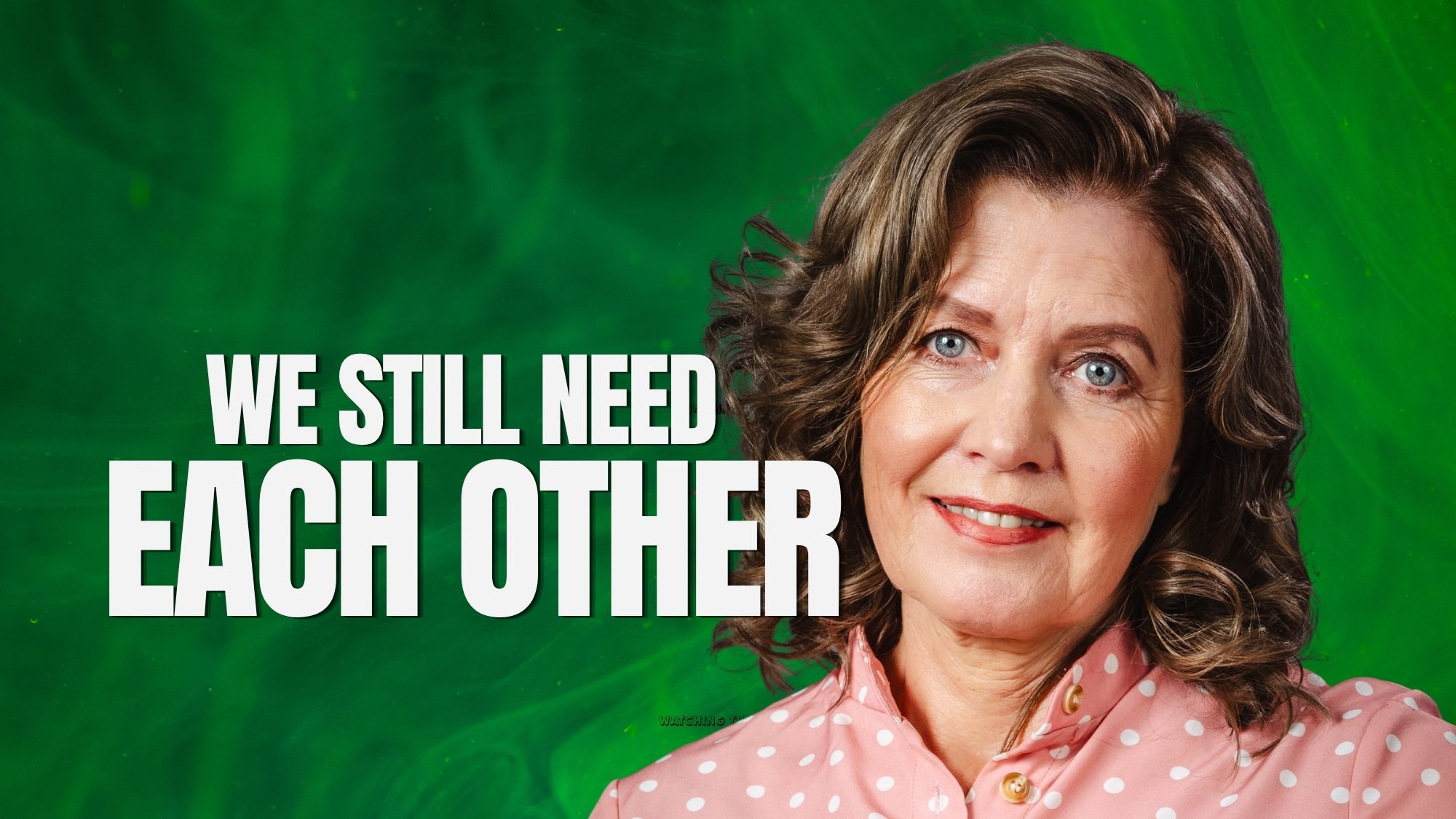
As we grow older, many of us discover something surprising.
Loneliness is not always caused by being alone.
Sometimes it comes from no longer feeling needed.
The children have grown up.
Careers have changed or ended.
Friends move away.
Life becomes quieter.
And many people over 50 begin asking a question they never expected:
Where do I still belong?
The answer may not be finding more friends.
It may be finding a community.
Friendship Matters — But Community Matters Too
Friendship is one of life’s greatest gifts.
A coffee date can brighten a difficult week.
A phone call can lift a heavy heart.
A simple WhatsApp message can remind us that someone cares.
But sometimes friendship grows into something deeper.
It grows into a community.
Friendship says:
“I care about you.”
Community says:
“You are part of us.”
Friendship gives us connection.
Community gives us belonging.
And after 50, we need both.
Why Community Becomes More Important After 50
Life changes dramatically during our later years.
Retirement.
Caregiving.
Children leaving home.
Grief.
Health challenges.
Relocation.
Changing friendships.
All of these can quietly shrink our social circles.
Research consistently shows that loneliness and social isolation can negatively affect physical health, mental well-being, sleep quality, stress levels, and overall quality of life. The good news is that meaningful social connections help protect both emotional and physical health.
Community gives us something powerful:
A reason to show up.
A reason to contribute.
A reason to feel useful.
A reason to feel seen.
Your Experience Is Still Needed
One of society’s biggest mistakes is assuming that people over 50 have little left to offer.
Nothing could be further from the truth.
By this stage of life, many of us have:
- Raised children
- Managed households
- Built careers
- Survived disappointments
- Cared for ageing parents
- Navigated financial challenges
- Learned resilience
- Developed practical wisdom
These experiences matter.
Communities need people who can:
- Organise
- Listen
- Mentor
- Plan
- Solve problems
- Stay calm during conflict
- Bring people together
Your wisdom may feel ordinary to you.
But it could be exactly what someone else needs.
The Danger of Only Complaining
Let’s be honest.
It is easy to complain.
Sometimes our frustrations are completely justified.
There are broken systems.
There are disappointing leaders.
Some problems genuinely need attention.
But if we stop at complaining, we give away our power.
Community begins to change when ordinary people ask:
“What can I do?”
Not:
“What should they do?”
But:
“What can I do?”
Maybe you can make a phone call.
Maybe you can welcome a newcomer.
Maybe you can attend a meeting.
Maybe you can help organise an event.
Maybe you can check on a neighbour.
Small actions create real change.
Six Practical Ways to Build Community After 50
1. Choose One Circle
You do not need to fix the whole world.
Choose one place where you already belong.
Your:
- Street
- Church
- Retirement village
- Residential complex
- Walking group
- Volunteer organisation
- Family
Start there.
2 Ask a Better Question
Instead of asking:
“Why is nobody doing anything?”
Ask:
“What is one realistic thing I can do?”
That question changes everything.
. Use Skills You Already Have
Your experience is valuable.
If you are good with administration, help organise.
If you are good with people, welcome newcomers.
If you enjoy gardening, help improve shared spaces.
If you are a good listener, spend time with someone who feels alone.
4. Build Bridges
Healthy communities are built by people who can work with others who may think differently.
Respect.
Kindness.
Patience.
Listening.
These qualities help communities thrive.
5. Protect Healthy Boundaries
Community does not mean burnout.
You can contribute without carrying every problem.
You can help without sacrificing your well-being.
Sustainable service always includes healthy boundaries.
6. Be Reliable
One of the most powerful qualities in any community is reliability.
People who:
- Show up
- Follow through
- Return calls
- Keep commitments
- Care consistently
Trust grows where reliability exists.
And trust is the foundation of every strong community.
Community Is Hope in Action
Hope is not only a feeling.
Hope is action.
Hope is the neighbour who checks the gate.
Hope is the volunteer who helps a charity.
Hope is the walking group that notices when someone does not arrive.
Hope is the retired person who uses their experience to make life a little better for someone else.
Hope says:
“I still care enough to show up.”
A Challenge for This Week
Choose one community circle.
Just one.
Then ask yourself:
What is one small, realistic way I can contribute this week?
Not perfectly.
Not dramatically.
Just faithfully.
Because community is not built by extraordinary people.
Community is built by ordinary people who care enough to take the next step.
And perhaps one of the greatest gifts of life after 50 is discovering that we still have so much to offer.
Because retirement is not about stepping back from life.
It is about stepping into who you were always meant to become.
Episodes You May Like
Season 4 Episode 12
Why Some Friendships Fade After 50 — And How to Build the Ones That Truly Matter
Discover why friendships naturally change as we age and how to create deeper, healthier, more meaningful relationships in the second half of life.
Season 4 Episode 11
You Are Not Declining — The Science of Getting Stronger After 50
Learn how strength, mobility, confidence and independence can improve well beyond midlife.
Season 4 Episode 10
Nobody Prepares You for Caring for Ageing Parents
A compassionate conversation about caregiving, family responsibility, grief, and finding support while caring for elderly loved ones.